Bheki Ncube
October 20, 2024 · 3 min read
Tracking the Big 5 — lion, leopard, buffalo, elephant and rhino — is every safari-goer's dream. Our guide covers everything from what to wear to the best parks.
The "Big 5" — lion, leopard, buffalo, elephant and rhino — is safari shorthand you'll hear from your first day in Africa. The term actually comes from old hunting days and refers to the five animals considered most dangerous to pursue on foot. Today the only shooting most people do is with a camera, but the thrill of tracking these iconic animals remains the heartbeat of any first safari. Here's what you need to know before your first game drive.
Where the Big 5 actually live
Not every park holds all five, and rhino in particular are increasingly rare due to poaching. In the region we operate, your best odds come from combining parks:
- Hwange National Park — Zimbabwe's largest reserve, famous for enormous elephant herds and strong lion prides.
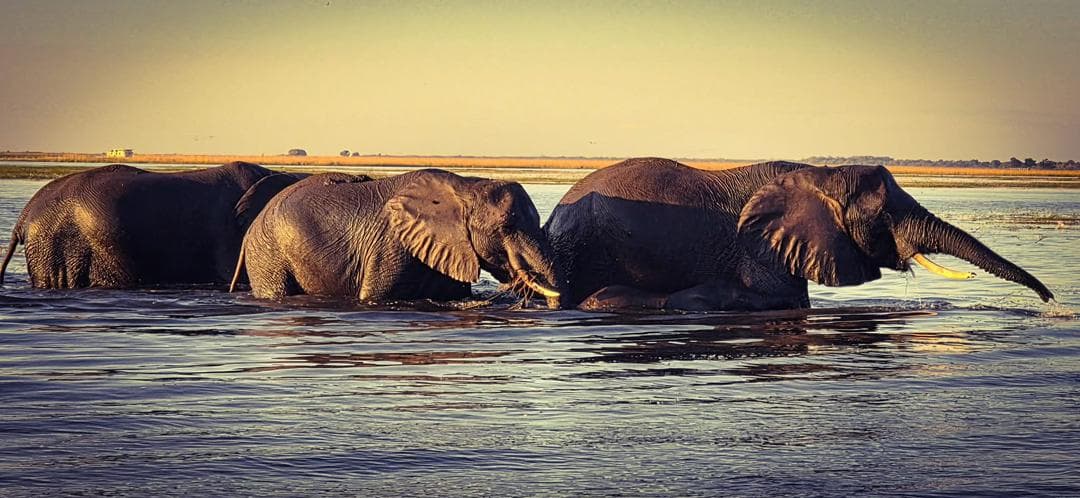
- Chobe National Park — just over the Botswana border, with one of the highest elephant densities on earth and excellent buffalo and lion sightings along the river.
- Matobo Hills — the best place in the region for tracking both black and white rhino, often on foot with an armed guide.
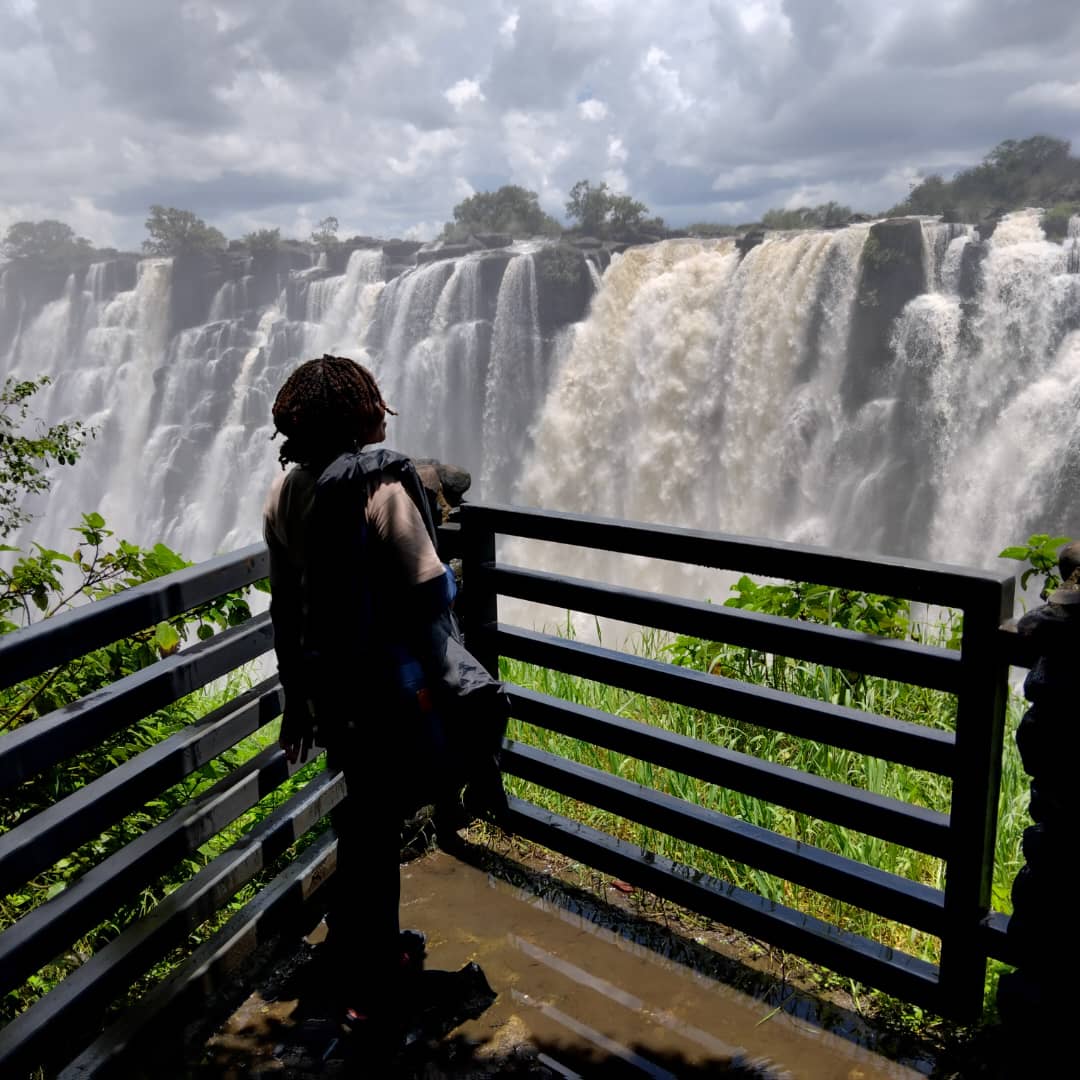
A trip that stitches a couple of these together, like our 5-day Victoria Falls & Chobe safari, dramatically improves your chances of a full house.
What to expect on a game drive
A typical game drive runs at dawn and again in the late afternoon — the "golden hours" when animals are most active and the light is best for photography. Midday is hot and the bush goes quiet, so most people rest, eat and swim between drives.
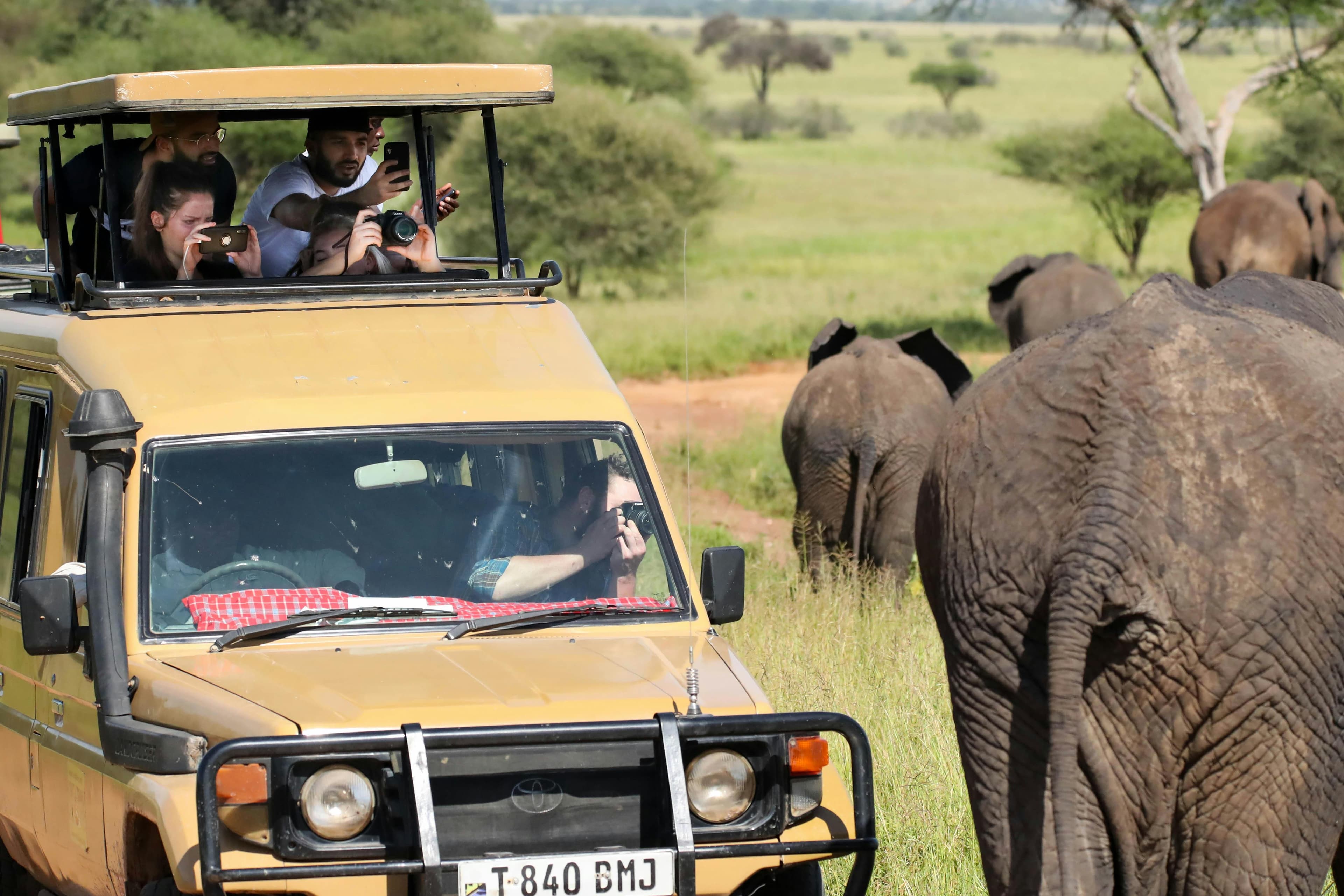
You'll travel in an open 4x4 with a professional guide and, often, a spotter. Don't expect a zoo. Wildlife is wild and free-ranging, so patience matters — the best sightings often come after a slow, quiet wait rather than a frantic chase. Trust your guide; the small signs they read (alarm calls, fresh tracks, circling vultures) are what turn an empty road into a leopard in a tree.
What to wear and bring
- Neutral colours — khaki, olive, brown. Avoid bright white (dusty) and dark blue/black (attracts tsetse flies).
- Layers. Dawn drives can be genuinely cold even in summer; by 10am you'll be in a t-shirt.
- A wide-brimmed hat, sunglasses and high-SPF sunscreen. The African sun is fierce.
- Binoculars — arguably the single most valuable thing you can pack. Even one pair between two people transforms the experience.
- A camera with a decent zoom. You will rarely be as close as your photos make it look.
- Insect repellent for the walking and evening hours.
Game drive etiquette (and safety)
The rules exist for a reason. Stay seated and inside the vehicle unless your guide says otherwise — animals see the vehicle as a single large shape and generally ignore it, but a standing human breaks that outline. Keep your voice low, switch your phone to silent, and never feed or bait wildlife. Your guide's instructions are final, especially around elephants and big cats.
Managing expectations
Here's the honest truth every good guide will tell you: a Big 5 "sweep" in a single drive is luck, not a plan. Leopards are shy and mostly nocturnal; rhino are scarce. What we can promise is a genuine wilderness, expert guiding and the kind of unscripted moments — a breeding herd of elephant crossing in front of you, a lion calling at dawn — that stay with people for life.
If you'd like us to build a first safari around your must-see species, start with a quick message or browse our full range of safari packages. We'll be straight with you about which parks and which months give you the best shot.
Ready to Experience It Yourself?
Let our expert team create your personalised safari itinerary — free of charge.
Plan My Safari.jpeg&w=3840&q=75)