Bheki Ncube
September 10, 2024 · 3 min read
Both parks offer incredible wildlife, but they offer very different experiences. We break down the key differences to help you choose.
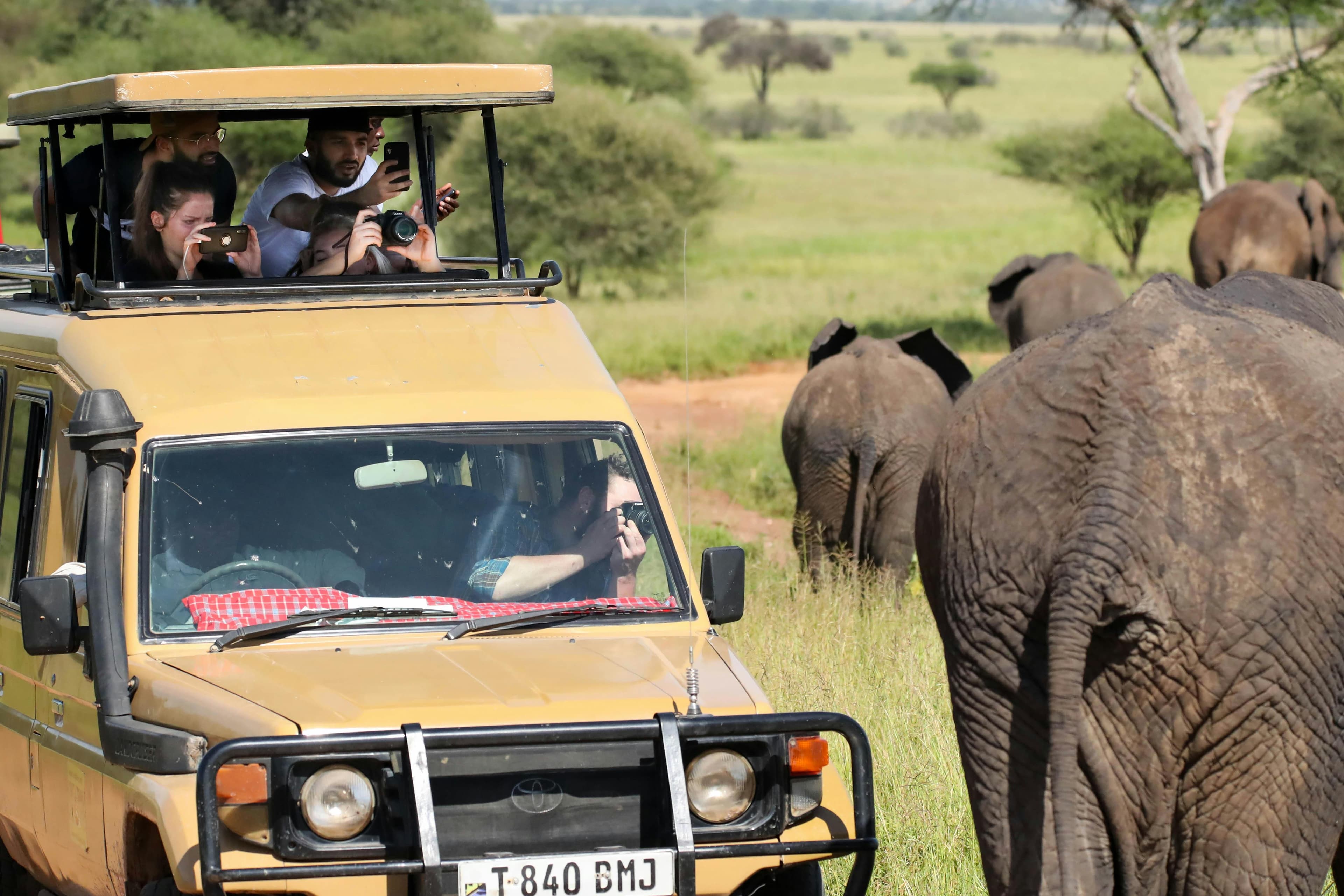
Hwange and Chobe are the two heavyweight parks within easy reach of Victoria Falls, and first-time visitors often ask us to choose between them. The honest answer is that they're different enough that many people do both — but if you only have time for one, this comparison will help you decide.
The quick verdict
- Choose Hwange for vast, classic bush, huge elephant herds around pumped waterholes, strong predator action, and a quieter, more remote feel.
- Choose Chobe for the spectacle of the Chobe River — boat safaris, staggering concentrations of elephant and buffalo, and superb photography from the water.
Location and access
Hwange lies in western Zimbabwe, roughly a two-hour drive south of Victoria Falls. It's Zimbabwe's largest national park at around 14,600 square kilometres — big enough to swallow several small countries' worth of wilderness.
Chobe sits just across the border in northern Botswana, about an hour and a half from Victoria Falls including the border crossing. Its most famous section, the Chobe Riverfront, is compact and easy to explore in a day, which is why a 1-day Chobe game experience is one of the most popular add-ons to a Falls trip.
The landscape and the experience
Hwange is quintessential Kalahari-sandveld bush: teak woodland, open grassy pans and a network of waterholes, many of them pumped year-round because the park has no major natural rivers. That waterhole system is the key to its magic — in the dry season, animals come to you. Sit quietly at a pan in September and you may watch hundreds of elephant, plus zebra, giraffe, sable and lion, cycle through in a single afternoon.
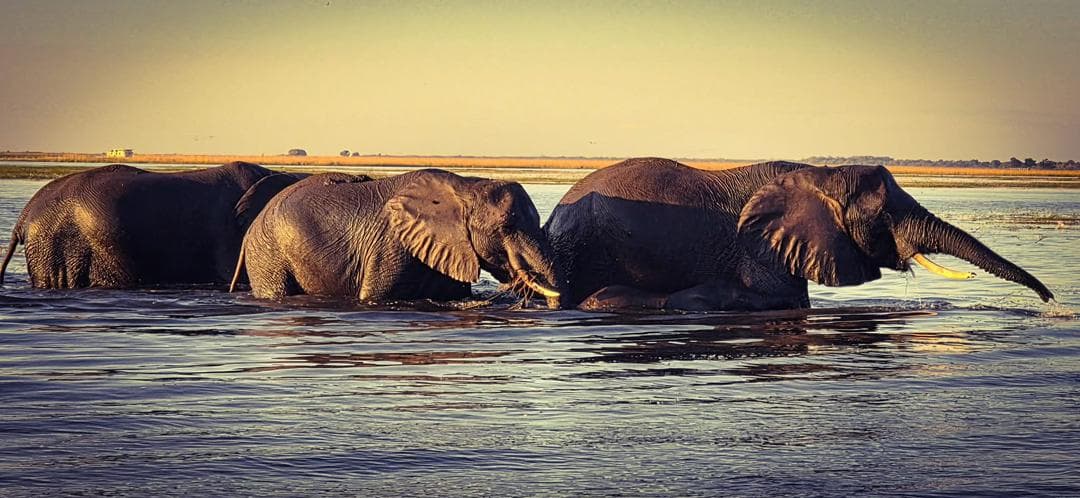
Chobe is defined by water. The Chobe River draws wildlife to its banks in extraordinary numbers, and the signature experience is a boat cruise rather than a road drive. Drifting a few metres from bathing elephants, yawning hippos and drinking buffalo — at eye level, with the light coming off the water — is something Hwange simply can't offer.
Wildlife head to head
Both parks deliver the classic cast, but with different strengths:
- Elephant: Both are world-class. Hwange's herds are famous; Chobe's riverfront density in the dry season is arguably unmatched anywhere in Africa.
- Predators: Hwange has the edge for lion and wild dog, with well-studied prides and genuine wilderness for them to roam.
- Water species & birds: Chobe wins easily — hippo, crocodile, red lechwe, puku and a spectacular birdlist along the river.
- Big open-plains feel: Hwange, hands down.
Best time to visit each
Both peak in the dry season (roughly July to October), when thinning water sources concentrate wildlife. Hwange in particular transforms in the late dry season as the waterholes become the only game in town. The green season (November to April) brings lush scenery, newborn animals and superb birding to both, with the trade-off of thicker bush and more dispersed game.
Can you do both?
Absolutely — and it's our most-recommended approach. Because both parks anchor to Victoria Falls, it's easy to combine them into one seamless trip. Our 5-day Victoria Falls & Chobe itinerary pairs the Falls with Chobe's riverfront, while longer routes fold in Hwange's waterholes and even the Okavango Delta for the full Southern Africa arc.
Still can't decide?
If your heart is set on boats, birds and that iconic river-elephant photo, go Chobe. If you want deep, quiet bush and the drama of the waterholes, go Hwange. And if you have five days or more, do both — you won't regret it. Send us your dates and we'll map the ideal loop around them.
Ready to Experience It Yourself?
Let our expert team create your personalised safari itinerary — free of charge.
Plan My Safari.jpeg&w=3840&q=75)